







Compare Shopify software plans vs a managed Dwize Store year
Why Dwize is not Shopify.
Shopify is a competent global e-commerce platform. Dwize Store is not trying to be a cheaper Shopify Basic subscription. It is a managed commerce build and operating year: engineering, migration, Indian commerce paths, updates, and continuity carried by Dwize.
Software plans
Shopify software plans
Operating year
a managed Dwize Store year
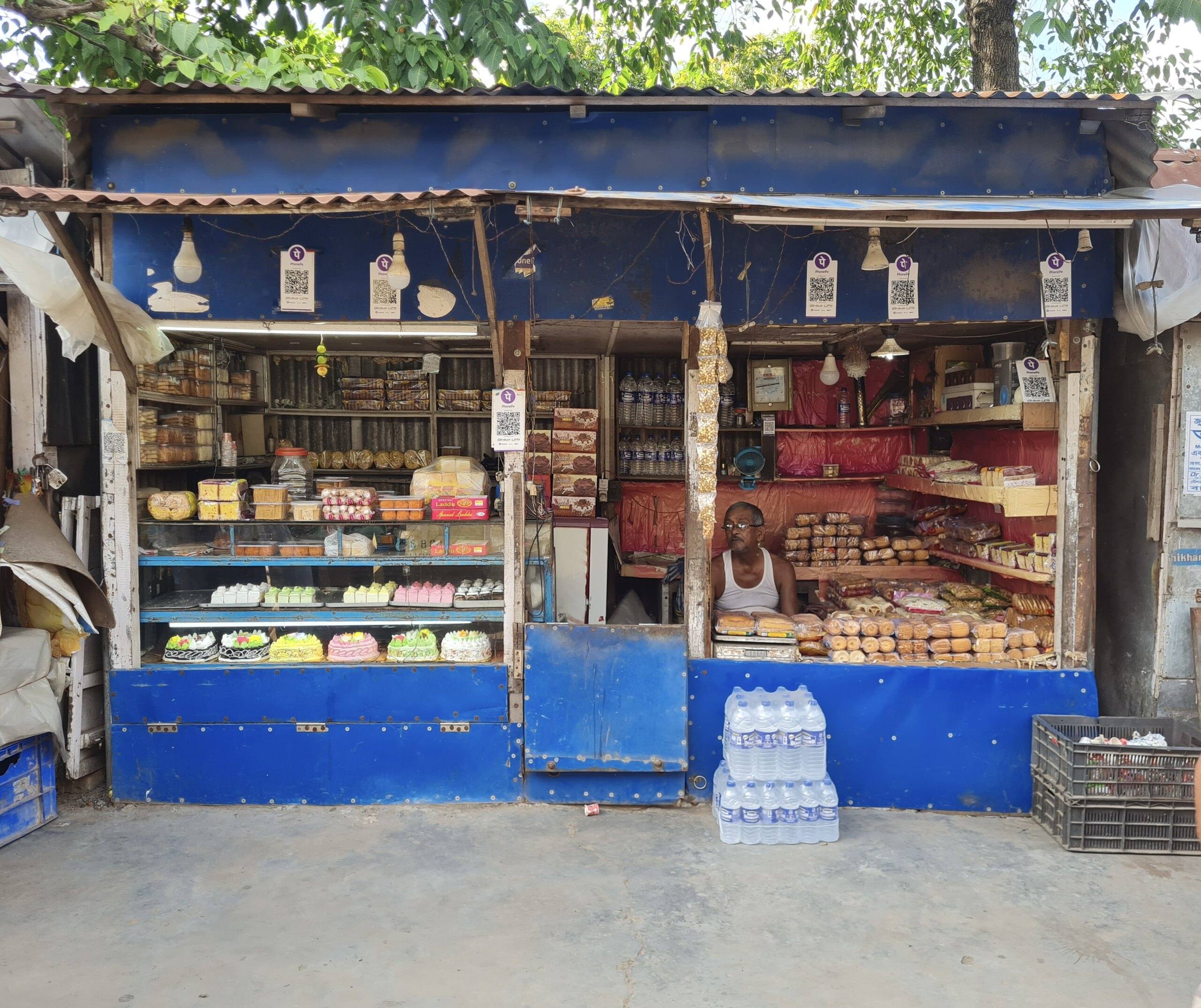
Janpath, New Delhi Photo: Ekabhishek · CC BY-SA 3.0
Section 01
What Shopify is genuinely good at.
Shopify is the most polished hosted commerce platform in the world. The admin panel is best-in-class. The theme ecosystem is large. International shipping, multi-currency, and Shopify Payments work cleanly when you sell into the US, UK, Australia. Basic and Grow are strong software floors. Advanced and Plus are closer to the serious-commerce tier. For a brand selling globally, with an international-first ICP, Shopify is a reasonable choice.
We give it the credit honestly. The category exists. It works for a defined set of jobs.
Section 02
Where it fails for the Indian D2C.
- 01
Plan and payment rules need live review
Basic and Grow may look inexpensive, but a serious store still needs setup, apps, payment-provider decisions, GST workflows, migration, operations, and support around the software.
- 02
Indian commerce needs planned assembly
UPI, WhatsApp catalog, GST-ready invoicing, and ONDC readiness often require separate choices, apps, or setup decisions. Dwize Store scopes these as one maintained commerce path.
- 03
Plan, apps, and payments split across vendors
A SaaS storefront can publish plan pricing clearly, but the operating stack still spreads across software, paid apps, the payment gateway, and implementation partners. Dwize Store keeps the managed commerce relationship under one INR Care Year with GST invoice clarity.
- 04
You operate the storefront yourself
Shopify gives you the platform. You hire a freelancer to set it up, manage the apps, fix the integrations when they drift. Or you do it yourself. Shopify has no delivery team on your side. Dwize Store includes operating support inside the Care Year — not a SaaS tool with a help desk.
- 05
No exit ergonomics
Leaving Shopify means rebuilding on a different platform. Customer data exports as a CSV. Order history is partial. Active subscriptions are not portable. Dwize Care Year covenant 08 mandates a clean code/content/customer/order handover at year-end — bespoke, not “here is your CSV, good luck”.
- 06
Plugin-economy fatigue
Many serious stores accumulate paid apps for shipping, returns, reviews, email, GST workflows, open commerce, and marketing. Each app is a separate vendor relationship, separate billing path, and separate maintenance surface. Dwize Store packages the Indian commerce path as one product with one vendor.
Section 03 · The math
What the serious-store math actually costs.
Shopify publishes software tiers for storefront owners. For an Indian store, payment-provider terms, app subscriptions, setup, GST workflows, catalog migration, operating fixes, and continuity still need to be understood before a buyer compares it with a managed Dwize Store year.
Year 1
₹2,99,000
per year
Year 2
₹2,99,000
per year
Year 3
₹2,99,000
per year
Dwize Store · 3 years
₹8,97,000
₹2,99,000/year × 3
| Option | 3-year software/platform math | What is still separate |
|---|---|---|
| Shopify Basic | Lower subscription path | Setup, theme work, GST apps, migration, paid apps, maintenance, and operating help remain separate |
| Shopify Grow | Mid subscription path | The stronger software floor, but still not a managed engineering and operations contract |
| Shopify Advanced | Advanced software path | Closer serious-store comparison; still excludes implementation, apps, and continuity labor |
| Dwize Store | ₹8,97,000 over 3 years | Gateway/provider charges only; Dwize build, migration path, updates, and Care Year support included |
Methodology: illustrative Indian D2C scenario. Shopify rows represent software-led buying paths where implementation, apps, payment-provider terms, and operations remain separate. Dwize Store is ₹2,99,000/year × 3. Payment-gateway/provider charges are excluded because they apply either way.
Section 04
What Dwize Store does instead.

- 01
No Dwize per-order platform fee
Dwize Store charges no per-order platform percentage. Payment-gateway/provider charges apply either way; the structural difference is that Dwize sells the managed commerce year, not a per-order platform meter.
- 02
Indian commerce path, maintained
Razorpay UPI / cards / netbanking + COD, WhatsApp catalog, GST-ready invoicing, and ONDC setup where applicable are scoped together instead of being left as disconnected app decisions.
- 03
A Dwize team inside the year
Shopify is a SaaS platform. Dwize Store is a 12-month operating contract — same eight covenants as every Care Year, with a team carrying the file end-to-end. The platform is the medium, not the product.
- 04
INR billing with GST invoice
Dwize bills the operating year in INR with a GST invoice. One commercial relationship covers the managed stack instead of scattering the buyer across platform, app, gateway, and implementation invoices.
Side by side
The structural differences in one table.
| Dimension | Shopify | Dwize Store |
|---|---|---|
| Architecture | Hosted SaaS | Managed commerce operating path, India-aware |
| Platform fee | Plan and payment-provider terms must be checked live | No Dwize per-order platform fee. Gateway/provider charges only |
| Billing shape | INR plan plus separate apps, gateway, and implementation costs | INR annual/quarterly Care Year with GST invoice |
| UPI | Requires setup decisions | Razorpay-ready path |
| ONDC | Depends on setup and provider choices | Seller setup path where ready |
| WhatsApp catalog | Often handled through connector choices | Catalog sync path included |
| GST invoicing | Often handled through app/workflow choices | GST-ready invoice workflow |
| Operating support | No (SaaS support desk only) | Yes — dedicated team inside your Care Year |
| Exit ergonomics | CSV export; rebuild on another platform | Code/content/customer/order handover at year-end if not renewing |
| India audience fit | Designed global; India is a market | Designed Indian; international is a fit-first add-on |
Move off Shopify with us.
“We move you” migration from Shopify is included with Dwize Store and Dwize Brand. Catalog, customers, and order history are mapped before cutover. Standalone migration is scoped separately when the buyer wants only the move without a Care Year.
Prefer the WordPress side of the story? Why Dwize is not WordPress.