






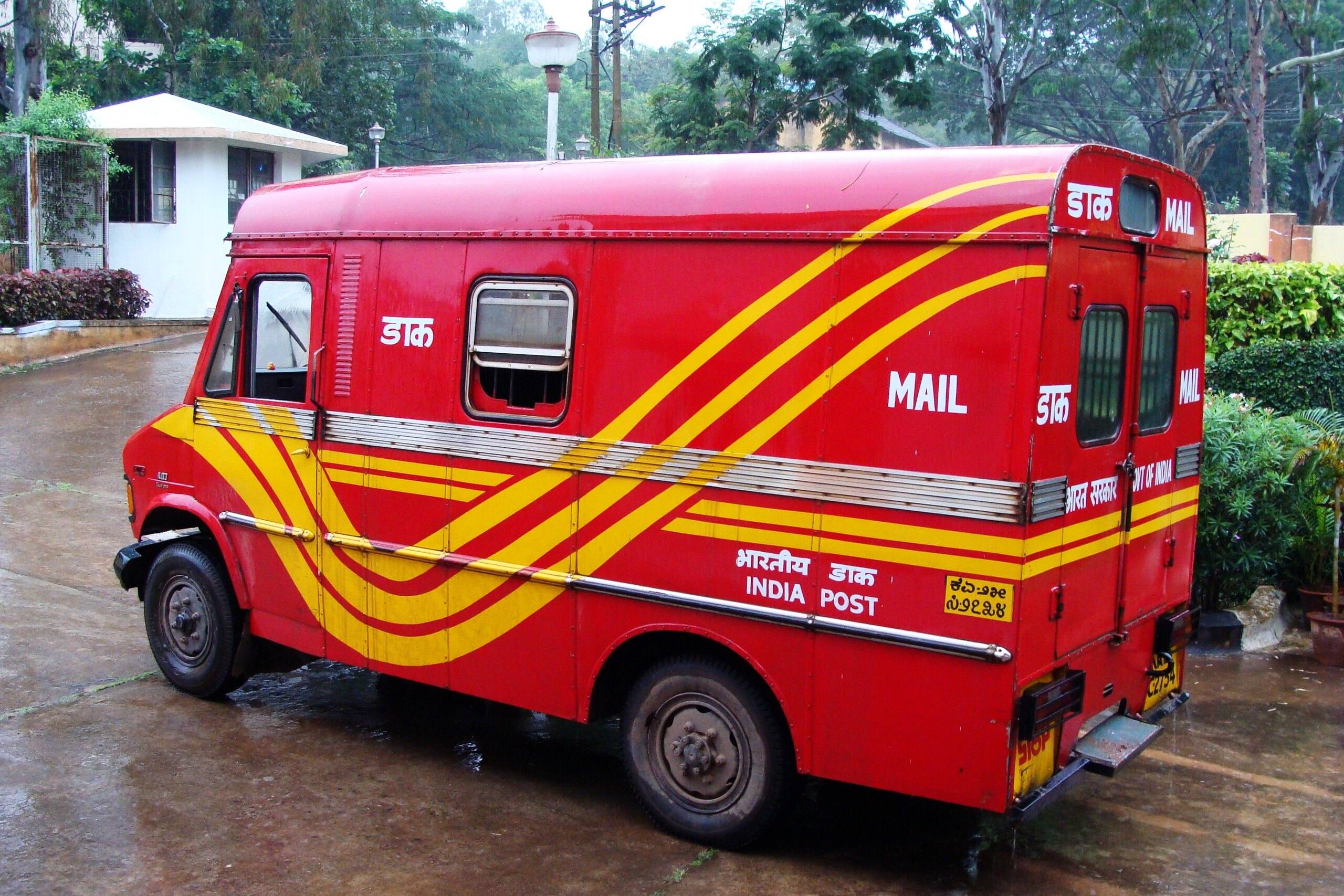
The Diwali order book
Consider a bhujia maker in Bikaner whose WhatsApp fills up every October. A cousin in Pune wants six kilos for office gifting. A customer in Delhi asks whether the sweets will survive a three-day courier. A buyer in Hyderabad asks for a GST invoice. The maker has been taking orders by chat for years and wants a proper online store before the next festival season.
The maker is an illustration, not a client. The order of work is what matters, because a food business selling from its own website carries duties that a marketplace partly carries for its sellers. On a marketplace, some of the paperwork is the platform’s problem. On your own website, all of it is yours.
Step 1: the registrations, before the first order
FSSAI registration or licence
FSSAI changed its turnover limits on 1 April 2026:
| Turnover | What you need |
|---|---|
| Up to ₹1.5 crore | Basic FSSAI registration |
| Above ₹1.5 crore, up to ₹50 crore | State licence |
| Above ₹50 crore | Central licence |
Before April 2026, basic registration stopped at ₹12 lakh, so many small makers who once needed a State licence now fall under registration. Since a March 2026 amendment, registrations and licences no longer expire, but the annual fee must still be paid on time, and a registration can now be granted instantly once the documents are in. Namkeen and mithai makers fall under general manufacturing, in the categories for savouries and for Indian sweets and snacks.
The e-commerce question. FSSAI’s own licensing FAQ says that food businesses selling through their own e-commerce platform must also take a licence under the “E-commerce” category, which is a Central licence category with no turnover threshold. FSSAI has applied its e-commerce provisions through directions since 2018, which say enforcement begins once final regulations are notified. That leaves room for doubt about a small maker’s own website. Do not guess: ask FSSAI or your food safety officer about your case before launch, in writing if you can.
GST
Goods suppliers with turnover up to ₹40 lakh are exempt from GST registration, and the September 2025 changes did not alter that limit. The exemption stops at your State border. A supplier who sells outside the State must register whatever the turnover, and a website that ships from Bikaner to Delhi is doing exactly that. The October 2023 relief for small sellers covers only sales through marketplaces within your own State. Selling through your own website, there is no tax collected at source by a platform.
Legal Metrology packer registration
Anyone who pre-packs goods for sale must register with the State’s Legal Metrology department under Rule 27, with a ₹500 fee, within 90 days of starting.
Step 2: what every pack must say
The FSSAI labelling regulations list what every package carries: the name of the food on the front, ingredients, nutrition information, the veg or non-veg symbol (a green filled circle in a green square for vegetarian food), the FSSAI logo and number, the date of manufacture or packing, and the expiry or use-by date. For products with a shelf life of three months or less, dates must show day, month and year. Fresh mithai lasting seven days or less may leave out the manufacturing date but must show the use-by date. Mandatory details must be in English or Hindi; other languages can be added. Packs of 100 sq cm or less are exempt from some items.
Under the Legal Metrology rules, the pack also shows net quantity, the retail sale price inclusive of all taxes, consumer-care contact (name, address, phone and email) and a unit sale price where the MRP differs from it.
Step 3: what every product page must show
Selling online adds a second duty: the buyer must be able to read the label before paying. FSSAI’s e-commerce directions require a seller to display its FSSAI licence or registration number and a clear picture of the front panel of the pack, and to give the mandatory food information free of charge before the purchase is concluded. A December 2024 advisory adds that any claim shown online must match the physical label.
Two more rules shape the page and the order:
- Shelf life at delivery. Food sold online must reach the buyer with at least 30% of its shelf life, or 45 days before expiry, remaining. A sweet that lasts five days cannot honestly be sold for courier delivery across India.
- FSSAI number on the bill. Every food business must print its 14-digit FSSAI number on invoices and cash memos, according to FSSAI’s FAQ.
Step 4: the consumer rules for your own store
The Consumer Protection (E-Commerce) Rules, 2020 apply to inventory and single-brand sellers on their own websites, not only to marketplaces. In practice, the website must carry:
- your legal name, address and contact details;
- a grievance officer’s name, designation and contact, with complaints acknowledged within 48 hours and resolved within a month;
- your return, refund, exchange, delivery and payment terms, stated clearly;
- one total price, with delivery charges and taxes shown in the breakup;
- explicit consent at checkout, never a pre-ticked box.
A seller cannot refuse to take back goods that are defective, not as described, or delivered late. From 1 January 2027, a 2026 amendment adds best-before disclosure and requires any announced discount to show the “prior price”, the lowest price in the 30 days before.
Step 5: payment and delivery
Many buyers will pay by UPI, which recorded 2,366 crore transactions worth ₹29.88 lakh crore in July 2026, its highest month to that date. Offer cards and cash on delivery too, and decide your COD limit before the season, not during it.
For delivery, a courier account or India Post works. India Post’s Business Parcel takes parcels up to 35 kg with pick-up from your premises, tracking and cash on delivery up to ₹50,000 for bulk and e-commerce customers, and India Post began a next-day Speed Post Parcel service between identified locations in March 2026. FSSAI’s hygiene rules require clean vehicles and the right temperature in transit, and its e-commerce advisory asks for trained delivery staff and food packed separately from non-food items.
Help that exists
The central PM-FME scheme offered micro food units a 35% capital subsidy on a bank loan, up to ₹10 lakh, and help through district resource persons with Udyam, FSSAI and GST registrations. It was sanctioned for 2020-21 to 2025-26; ask your district industries centre whether it is still open before you plan around it.
The checklist
| When | Check |
|---|---|
| Before launch | FSSAI registration or licence at the right level; e-commerce licence question settled with FSSAI; GST registration if shipping to other States; Legal Metrology packer registration |
| On each pack | Name, ingredients, nutrition, veg symbol, FSSAI logo and number, dates in the right format, net quantity, MRP, consumer care |
| On each product page | FSSAI number, clear photo of the pack front, all label details, pack sizes and price including GST, shelf life |
| On the site | Legal name and address, grievance officer, return, refund and delivery terms |
| At checkout and after | Total price with breakup, no pre-ticked boxes, FSSAI number on the invoice, delivery that leaves enough shelf life |
What Dwize builds for a food maker
Dwize Store is ₹2,99,000 a year, GST inclusive, ready in 25 business days from content lock: a catalogue with pack sizes, checkout and order flow, GST invoicing, UPI, cards, netbanking and cash on delivery through payment accounts in your own name, a WhatsApp catalogue, and an optional path to ONDC. Each product page is built to show the FSSAI number, the pack photo and the label details, and the site carries your grievance officer, return and delivery terms. The registrations themselves are yours to hold, and Dwize does not deliver orders.
If online orders are still occasional, start with Dwize Go at ₹2,499 a year: one page with your products, FSSAI number and a WhatsApp button, and move to the store when chat orders take too much of your day.
Rates and rules in this guide are as of October 2026; GST rates in particular can change at any GST Council meeting. See Dwize for food businesses, or Dwize in Bikaner.
Questions this answers
Quick answers
Do I need an FSSAI licence to sell namkeen from my own website?
You need at least FSSAI registration for your food business. From 1 April 2026, basic registration covers turnover up to ₹1.5 crore, a State licence up to ₹50 crore and a Central licence above that. FSSAI's own FAQ also says a business selling through its own e-commerce platform needs a licence under the 'E-commerce' category, which is a Central licence. FSSAI says those e-commerce provisions apply through directions until final regulations are notified, so confirm your case with FSSAI before launch.
What GST applies to namkeen and sweets now?
5%, since 22 September 2025, for namkeen, bhujia, mixture and similar ready-to-eat savouries, whether packed or not, and for sweetmeats, gajak, chikki and revdi. Packed namkeen was 12% before. Check the rate again before printing price lists, because the GST Council can change it.
Do I need GST registration if my turnover is small?
Within your own State, goods suppliers with turnover up to ₹40 lakh are exempt from registration. But if your website sells to buyers in other States, for example from Bikaner to Delhi, GST registration is needed regardless of turnover.
How much shelf life must food have when it reaches an online buyer?
At least 30% of its shelf life, or 45 days before expiry, at the time of delivery, under FSSAI's e-commerce directions. For fresh mithai with a short life, that usually means local delivery or a different product for shipping.
Does Dwize deliver the orders?
No. Dwize Store takes the order and the payment and produces the invoice; delivery runs through the courier or India Post service you choose. The FSSAI, GST and Legal Metrology registrations are also yours to hold. The store is built to show the information those rules require.
- #food-processing
- #fssai
- #gst
- #labelling
- #ecommerce
- #msme
- #rajasthan